Third Quarter Estimated Tax Deadline: What You Need to Know for September 15
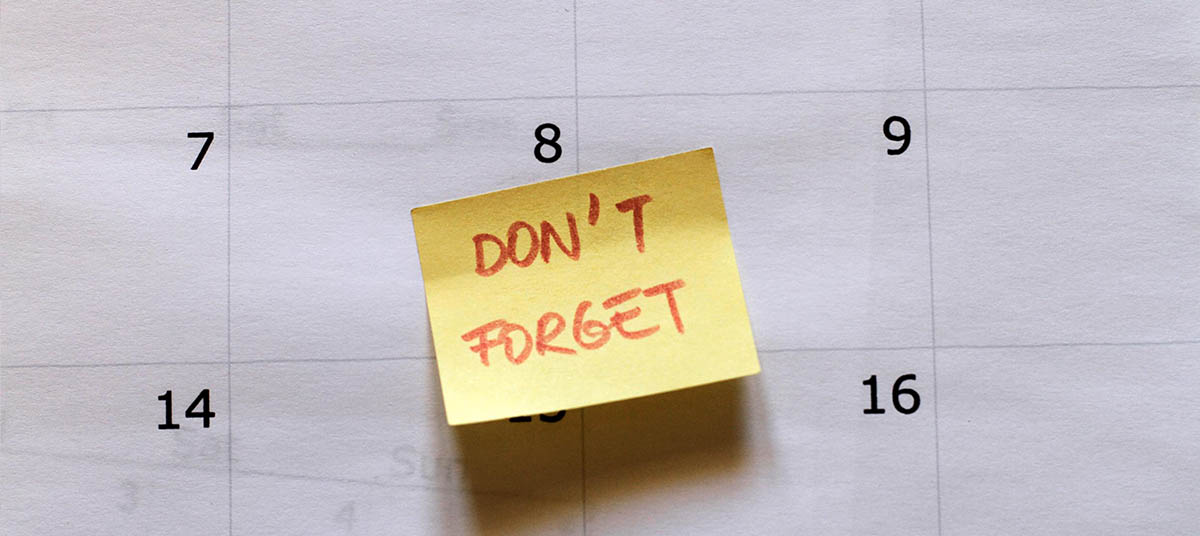
If you generate or receive income that is not fully covered by employer withholding, September 15, 2026, marks an important milestone on your financial calendar. This is the official due date for the third installment of the 2026 federal estimated tax payments. For taxpayers who do not pay enough tax throughout the course of the year, missing this deadline can lead to unexpected liabilities and penalties.
Understanding your estimated tax obligations is crucial to maintaining healthy cash flow and avoiding unnecessary compliance issues. It is important to review your year-to-date income and withholding now to determine if a payment is required by this upcoming mid-September deadline.
Why Estimated Tax Payments Matter
The United States operates on a "pay-as-you-earn" tax system. Rather than settling your entire tax liability in a single lump sum when filing your annual return, you are generally expected to pay your taxes as you earn or receive income throughout the year. For employees, this process is handled automatically through payroll withholding.
However, if you receive income that is not subject to withholding, you must take active steps to pay your tax obligation. This requirement typically applies to several types of revenue, including:
- Self-employment income
- Interest and dividends
- Capital gains from the sale of assets
- Rental property income
- Other miscellaneous income free of withholding
Self-employed individuals must pay particularly close attention to this system, as their quarterly estimated tax payments often need to cover both federal income taxes and self-employment taxes.

Who Should Make Estimated Tax Payments?
As a general rule, you should consider making estimated tax payments if you have no withholding, or if you expect your withholding will fall short of covering your total tax liability for the year. This situation frequently arises for specific categories of taxpayers, such as:
- Freelancers and independent contractors
- Small business owners and entrepreneurs
- Retirees drawing taxable investment income
- Landlords managing rental properties
- Taxpayers generating significant side-hustle income
- Anyone who has experienced a major fluctuation in earnings during the tax year
Unexpected Income Can Create a Surprise Tax Bill
A primary reason taxpayers miss estimated tax deadlines is the receipt of unexpected or irregular income. Financial windfalls can easily push your overall tax liability higher than anticipated, catching you off guard at year-end. Examples of these surprise events include:
- Receiving a large bonus
- Realizing significant capital gains from a profitable asset sale
- Taking a taxable IRA distribution
- Experiencing sudden profitability in a side business
If you encounter these types of income late in the year, submitting an estimated tax payment can help reduce the total balance due when you file your return. Making a proactive payment before the upcoming deadline can also assist in minimizing or completely avoiding underpayment penalties.
The Underpayment Penalty
If your combined withholding and estimated tax payments do not meet the minimum requirements, you may be hit with an underpayment penalty. This penalty functions like interest charged on the unpaid balance. Calculated on a quarter-by-quarter basis, the interest rate is adjusted periodically by the IRS and currently stands at 7%.
Fortunately, there is an exception to this rule: if the total underpayment for the year is less than $1,000, no underpayment penalty is assessed, allowing you to settle the remaining balance at filing time without additional fees.
Safe Harbor Rules: A Way to Avoid the Penalty
When your income is unpredictable, estimating your exact tax liability can be difficult. To help taxpayers navigate this uncertainty, the IRS offers safe harbor rules. One common strategy is basing your payments on the tax liability from your prior year's return.
For higher-income taxpayers, the safe harbor requires paying the smaller of:
- 90% of the tax you expect to owe for the current year, or
- 110% of the tax shown on your prior-year tax return, provided your prior-year adjusted gross income was more than $150,000 (or $75,000 if married filing separately)
Utilizing these safe harbor rules provides a reliable framework for planning your payments when your income fluctuates or is hard to forecast.
Paying Online is Usually the Best Option
The IRS recommends submitting estimated tax payments electronically. Opting for online payment methods is generally far superior to mailing a physical paper check for several reasons:
- Speed: Your payment is processed much faster.
- Security: Electronic portals offer enhanced protection for sensitive financial details.
- Confirmation: You receive an immediate receipt confirming submission.
- No Delays: You eliminate the risk of transit delays or lost mail.
- Accurate Records: The payment is instantly documented in your IRS tax history.
By contrast, paper checks introduce risks associated with postal delays, requiring extra effort to secure proof of timely mailing. Transitioning to online portals simplifies the process and provides clear documentation of compliance.
Proactive Planning for the September 15 Deadline
With September 15 fast approaching, taking action early is highly recommended. Resolving your quarterly estimated tax obligations ahead of the due date ensures you avoid last-minute stress and guarantees your payment is credited on time.
If you are uncertain about whether you need to make an estimated payment or require assistance calculating the exact amount to pay, please contact this office. We are here to help you evaluate your situation and determine the appropriate payment strategy.
Want tax & accounting tips and insights?
Sign up for our newsletter.